1
We learn your game, matching our workflow with your vision.

74
artists onboarded for a single project. Scaled within 1 month
6+ years
Longest collaboration on a live-ops project
200
assets per month delivered for 1 project




We learn your game, matching our workflow with your vision.
We pick up your style on round one. Then it just clicks.
We take production chores off your plate, you can breathe now.
We keep content rolling, quietly (mostly).
You get your time back to focus on cool stuff.
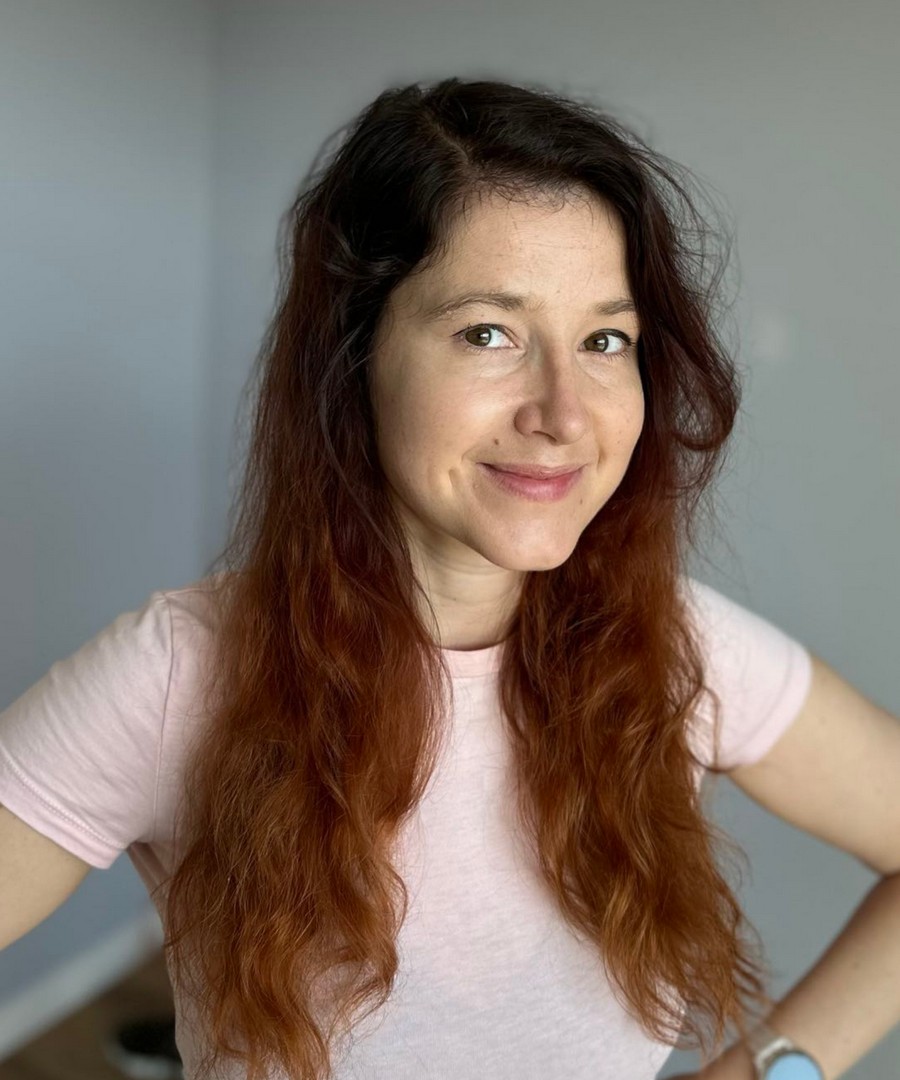
Katia Krasenkowa
Head of Art
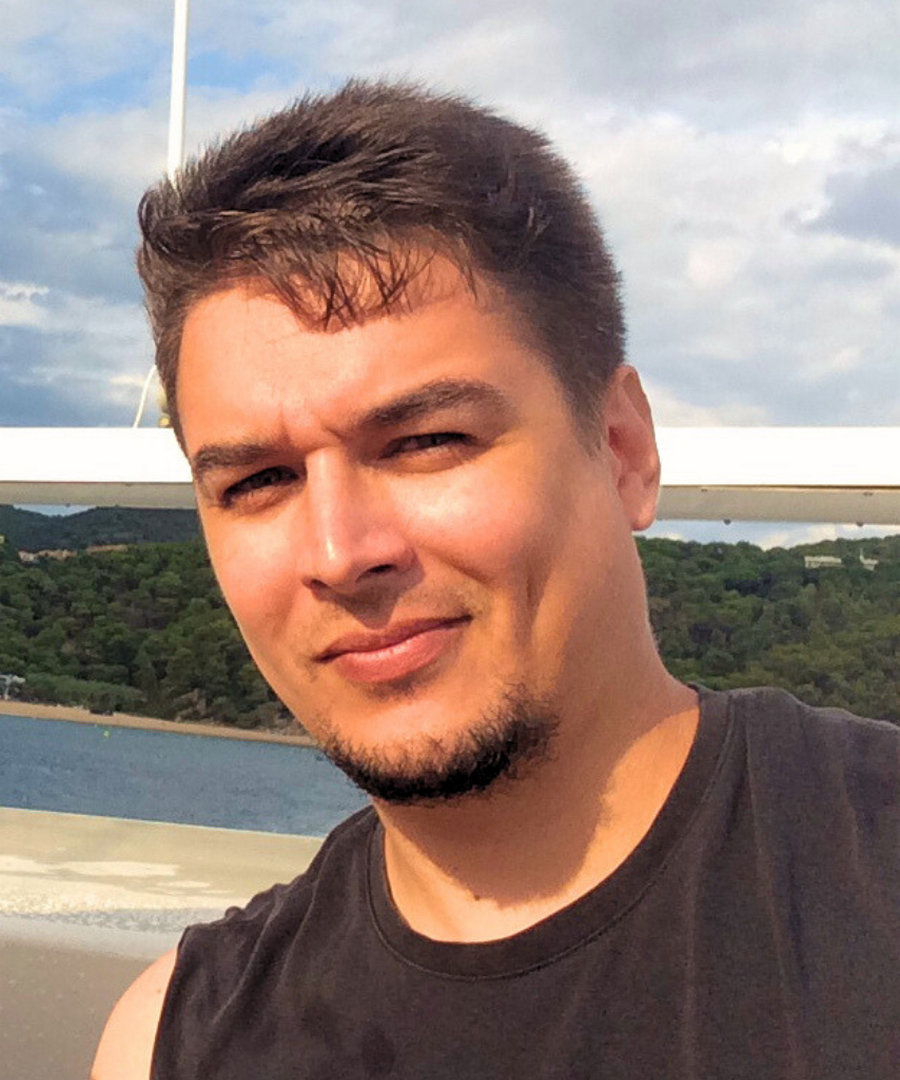
Marko Miladinovic
Lead Artist
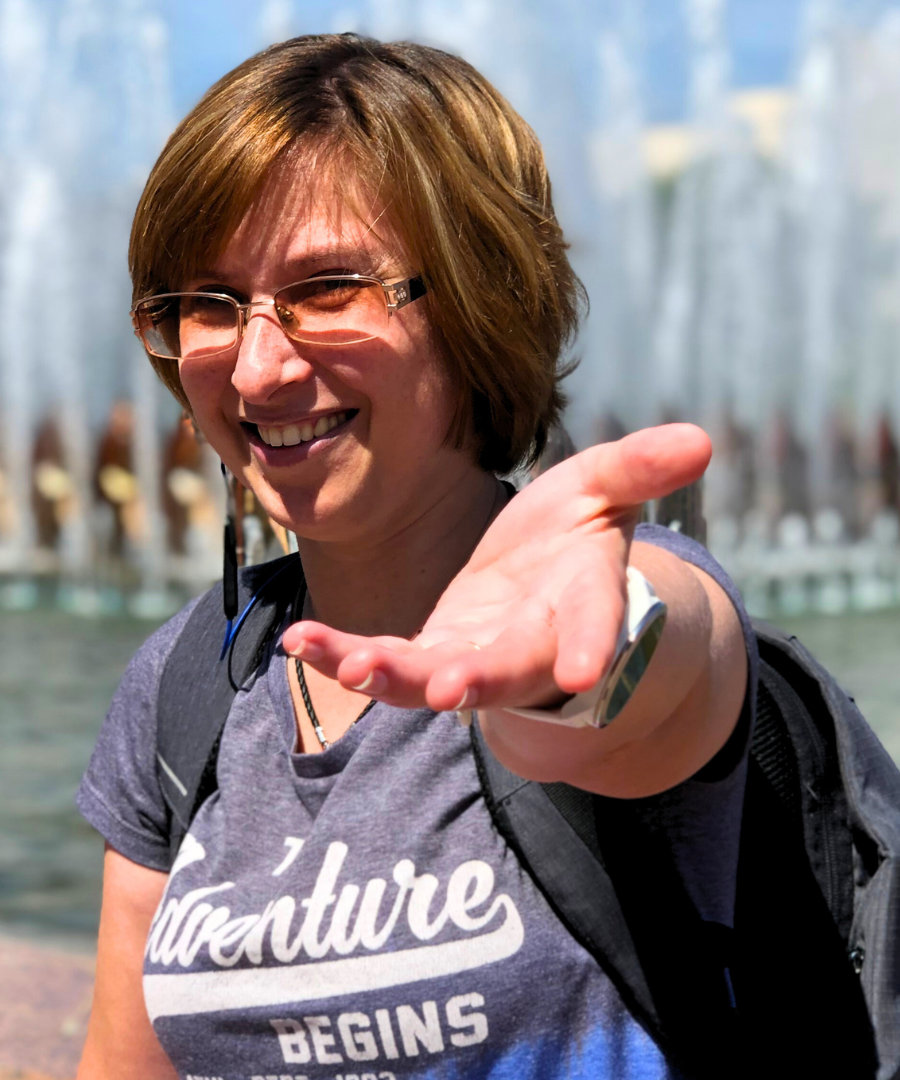
Daria Tvorilova
Art Production Team Lead
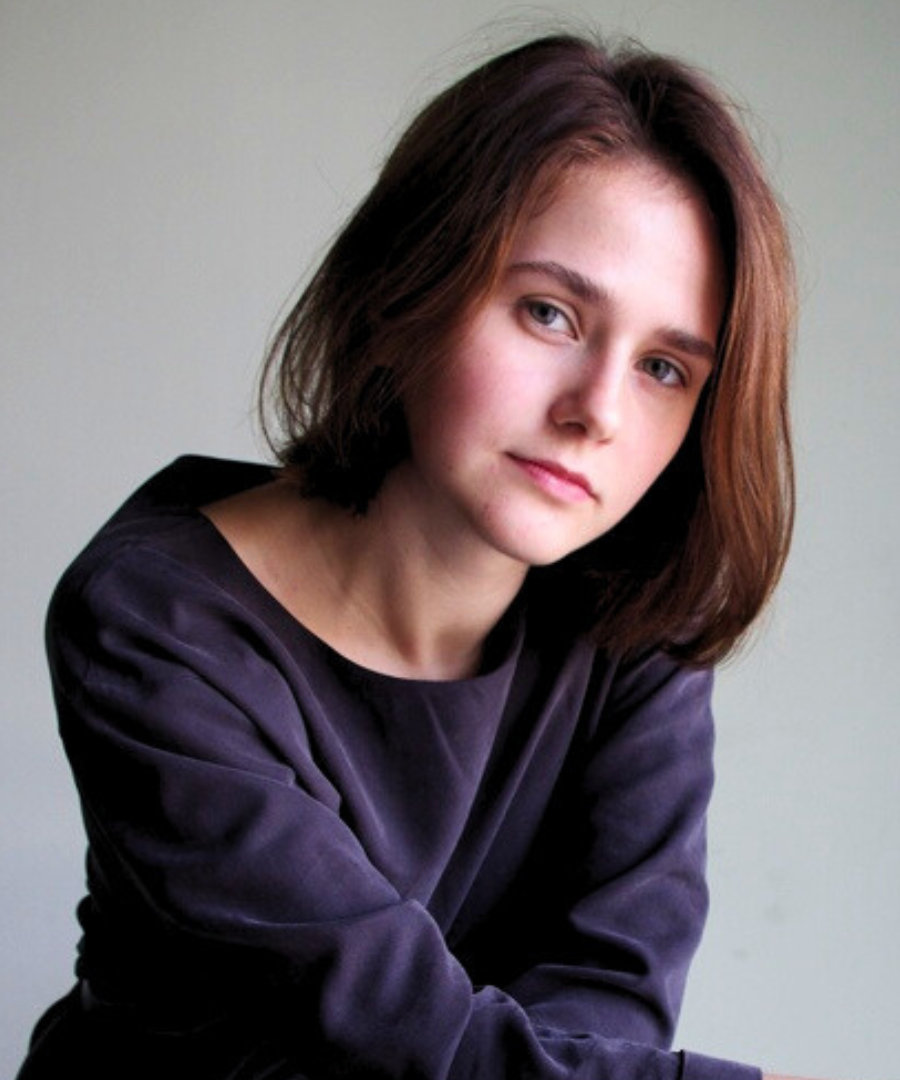
Veronika Lyzhina
Senior Project Manager
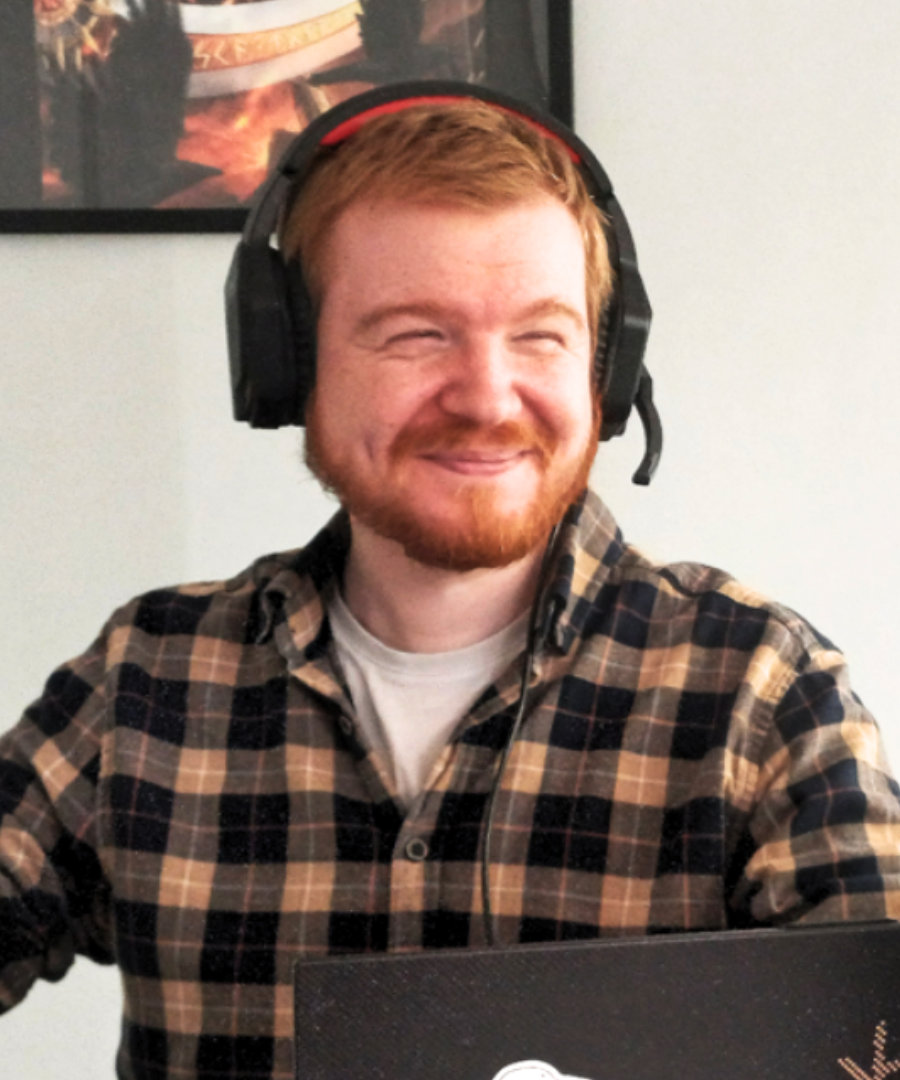
Yuri Kotov
Lead Artist
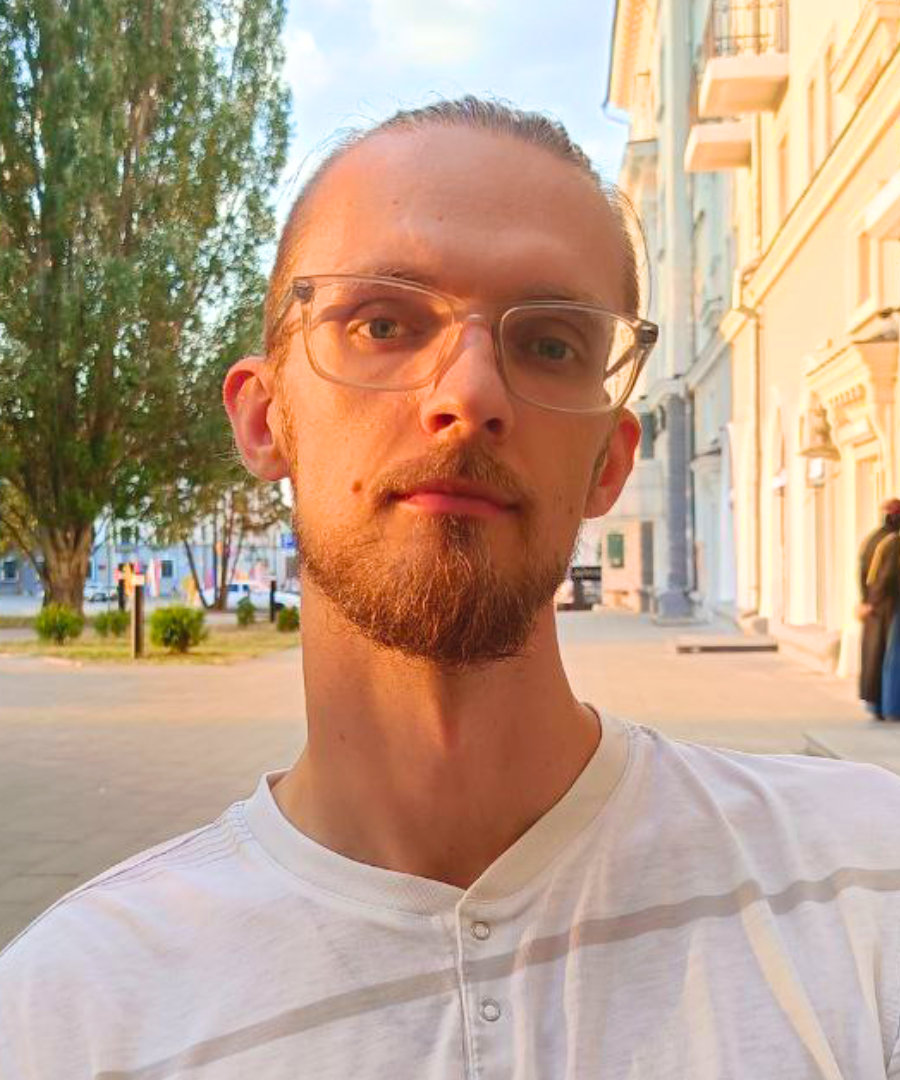
Denis Dementiev
Lead Artist
Artur Egoshin
Senior Project Manager
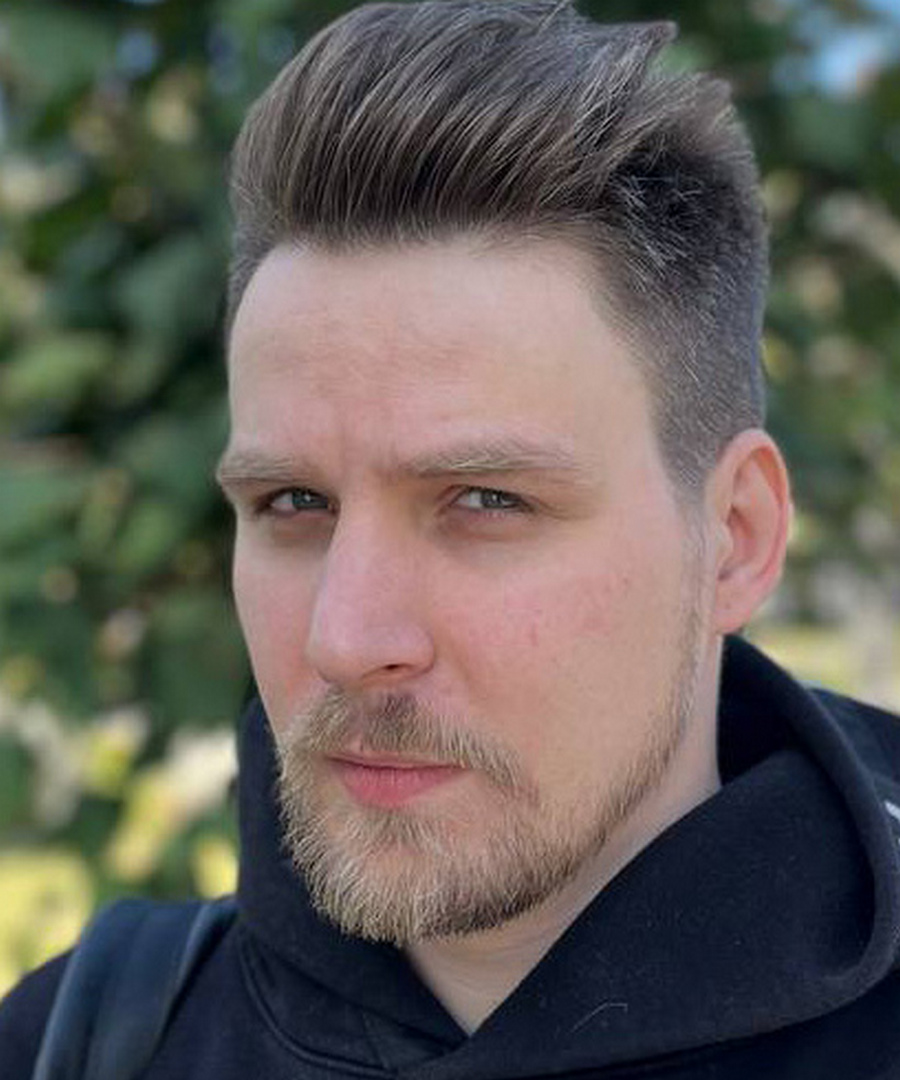
Nikolay Kurganov
Lead Artist


We work across the full visual production stack: 2D and 3D characters, environments, concept art, UI design, pixel art, animation, and illustrations—both for launch projects and ongoing live-service game content. Whether you need a single asset type or want to offload a complete production pipeline, we scale to fit the scope. The best way to see our range and style variety is our game art gallery.
Yes—and this is central to what we do. Live-service games require a different model than launch projects: dedicated teams, predictable cadence, and the ability to surge fast when a seasonal event drops. We’ve run this kind of pipeline for Nanobit’s Winked, delivering ongoing asset updates 100% on time across rolling production cycles. See how that pipeline is structured →
We build teams that are already trained on your project ahead of scaling demands. Documented pipelines, style guides, and dedicated artists ensure we can add capacity without restarting the learning curve. We’ve delivered urgent asset batches—full collections in under a week—without disrupting quality or timelines. More on how we manage risk when scaling rapidly →
The more context you share upfront, the faster and cleaner the first batch comes back. Useful starting materials: a visual brief, technical requirements, a mood board, art guides, existing in-game screenshots or reference assets, your target platform and engine, and a sense of volume and cadence. If you’re starting from scratch, our Game Art Guide covers what a solid brief looks like and what to prepare before reaching out.
You do. Full IP ownership transfers to the client upon final delivery and payment. This is standard in our contracts. We don’t retain rights to reuse or resell assets created for your game. If you have specific requirements around NDAs, work-for-hire clauses, or asset licensing, we handle these during contract setup—not as an afterthought.
Freelancers give you flexibility but put the management load on your team: recruiting, onboarding, QC, deadline tracking, and replacing people when they disappear mid-project. A studio absorbs all of that. You get a PM, a built-in QC layer, a team that already knows how to work together, and a pipeline that doesn’t break when one artist gets sick. The difference is most visible in live-service game production, where long-term reliability matters more than cost per asset. See what our production workflow looks like in practice →