

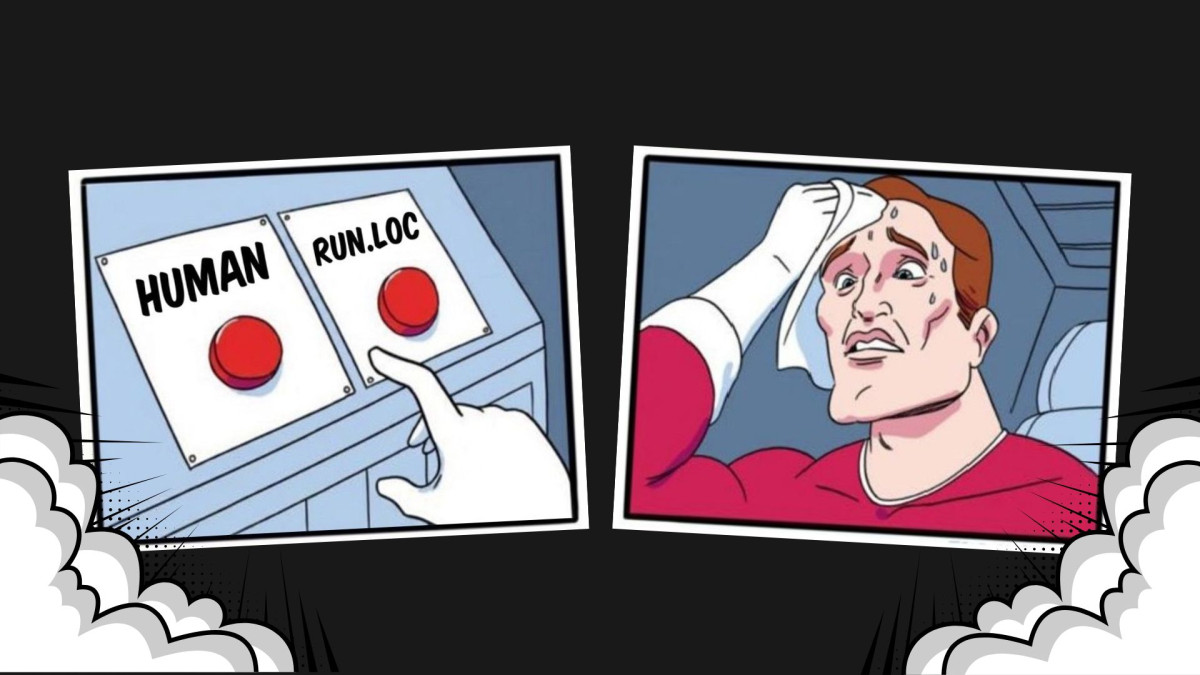
Not every game needs the same localization approach. Here’s how Allcorrect helps studios choose between human craftsmanship and run.loc’s speed and scale—and when a hybrid of both works best.
Discover the top 30 mobile game markets in 2025. Explore revenue rankings, growth trends, ARPU, and Allcorrect’s Market Opportunity Index across 29 key regions!
The game text localization market reached an estimated USD 246 million in 2025, but unlike the broader game outsourcing industry, text localization revenue is contracting. AI-driven price erosion is reducing cost per word faster than content volume can grow. This report ranks 47 companies by estimated 2025 game text localization revenue, explains the methodology behind the estimates, and explores why market concentration, MLV models, and service-mix differences create a significant gap between localization experience and commercial scale.
One of the costliest mistakes game development teams face is trying to solve art outsourcing problems solely by looking for better artists. This approach seems perfectly logical: if the results don’t meet expectations, it’s natural to assume that you need a specialist with a stronger portfolio. But in practice, the cause of those unmet expectations often turns out to be more complex.
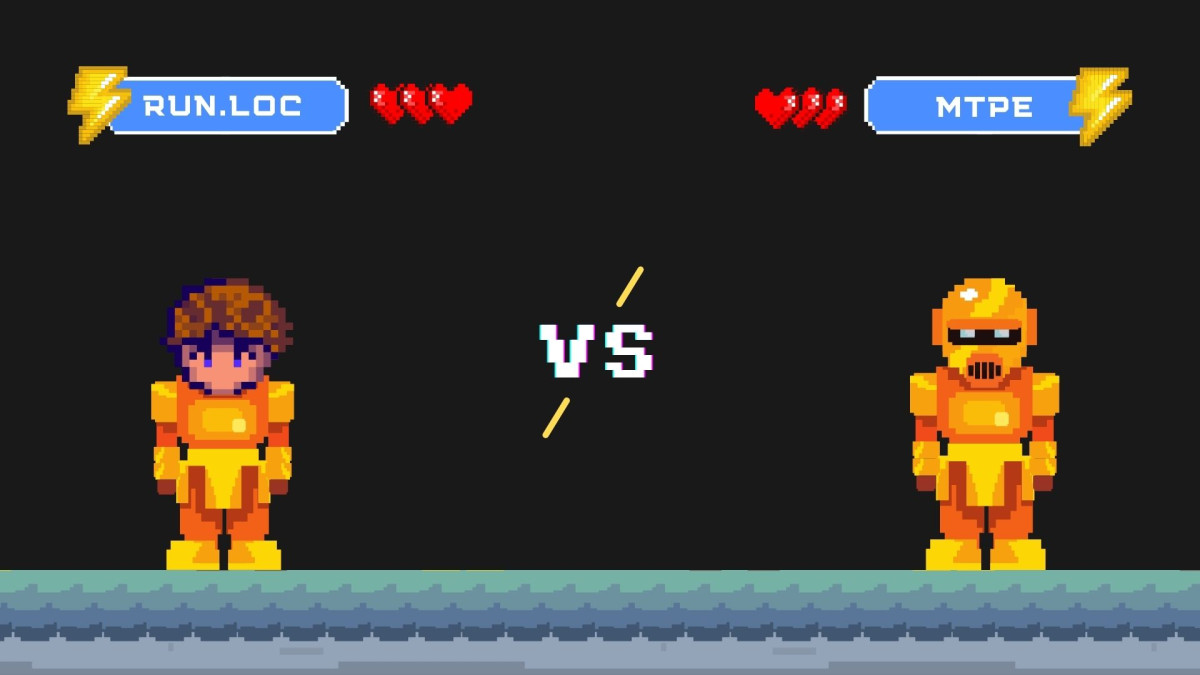
MTPE or run.loc? If your game’s UI strings, item lore, and skill descriptions need localization fast and on budget, the workflow you choose matters. We break down how Allcorrect’s run.loc model replaces full manual review with automated QA and targeted human fixes—without sacrificing quality. See the side-by-side comparison inside.
From arcade high-score tables to seasonal battle passes, keeping players coming back has quietly become a science. This piece traces the evolution of retention mechanics across five decades, unpacks why battle passes, limited-time shops, and live-service seasons are so often called manipulative, and asks where the line between good design and pure pressure actually sits.
Think console localization is just about translating button names? Not quite.
Our new article breaks down why Naming Conventions can make or break certification—and how a wrong term can cost studios time, money, and release dates.

She walked in fresh out of college with a linguistics degree and a love for languages. Six years later, she’s leading a team of project managers, shipping localization for games she genuinely loves, and collaborating with AI like it’s just another colleague. Meet Elizaveta Iarusova, Localization Team Lead at Allcorrect. Her story is about growth, grit, and finding out that the best part of the job isn’t the projects—it’s the people. Read on to find out how she got here.
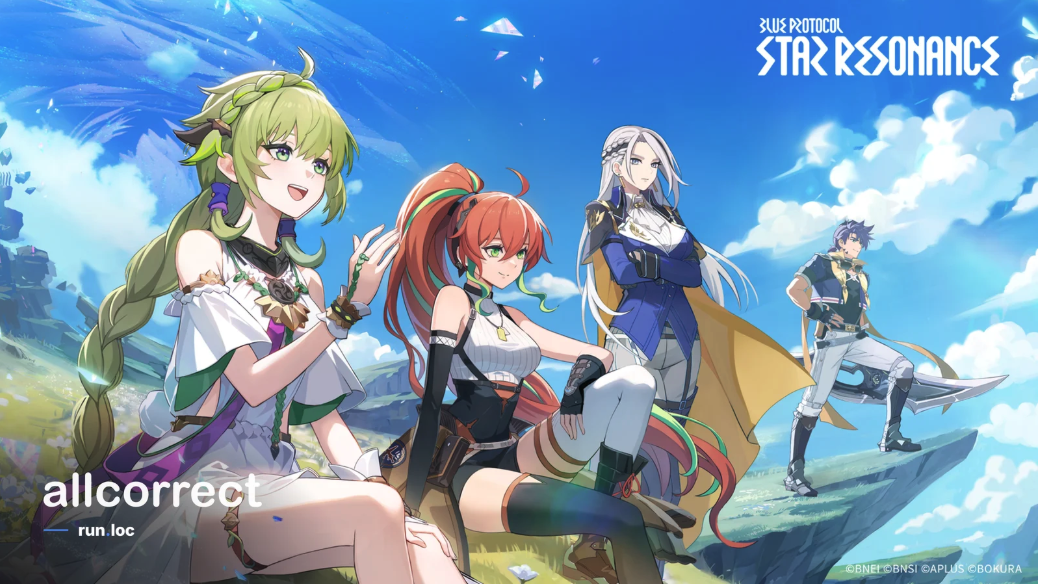
What if you could localize a massive live game faster, cheaper, and with the quality close to traditional workflows?
With this project, run.loc made it possible—delivering 1.4 million words in one month with excellent LQA results.
Here’s how we built a scalable localization pipeline that actually works under pressure.
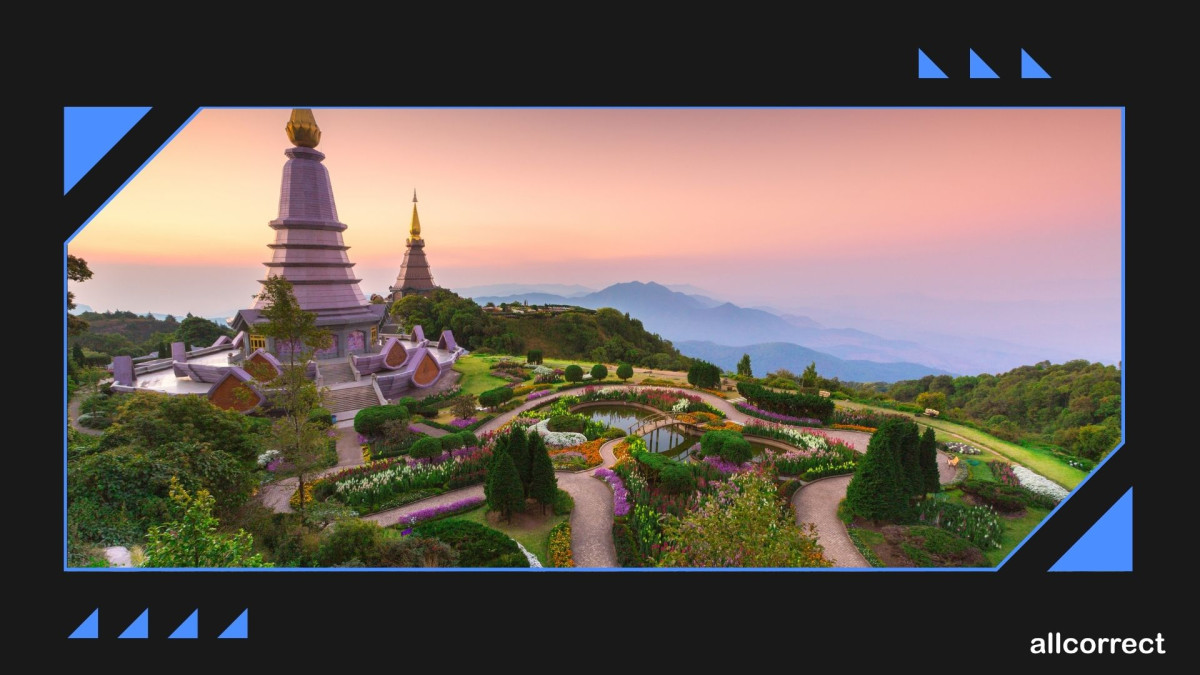
58 million gamers in a country of 72 million. Thailand isn’t just Southeast Asia’s second-largest gaming market—it’s one of the most deeply engaged gaming markets in the world. Mobile accounts for 71% of all revenue, free-to-play dominates at 86%, and community-driven discovery means Western marketing strategies often fall flat without adaptation. We break down exactly who plays, what they spend, and what it takes to win here.